
Polyethylene, polypropylene, and polyurethane foams offer diverse capabilities, each with unique properties suited for various applications.
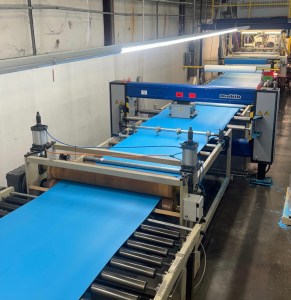
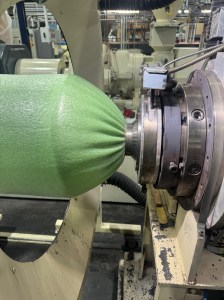
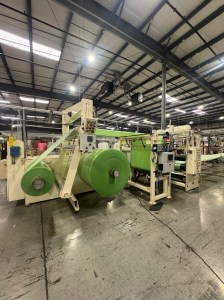
Polyethylene Foam
Polyethylene foam is lightweight, flexible, and resistant to chemicals, moisture, and weathering, making it ideal for packaging, insulation, and flotation devices. It provides excellent shock absorption and can be easily shaped and cut.
Polypropylene Foam
Polypropylene foam, while not as commonly used as polyethylene, offers high heat resistance and chemical stability, making it suitable for automotive and food processing applications.
Polyurethane Foam
Polyurethane foam stands out for its versatility, with the ability to be formulated from soft and flexible to rigid and durable. It excels in applications requiring strength, toughness, and design flexibility, such as furniture cushioning, insulation, and custom-molded parts.
All three foam types can be processed using various manufacturing methods, allowing companies to tailor their production to specific product requirements and market demands.
Questions about which foam product is right for you? Contact us at info@hbdynamics.com
 HB Dynamics